
#English
 |
| 書封來源:博客來網路書店 |
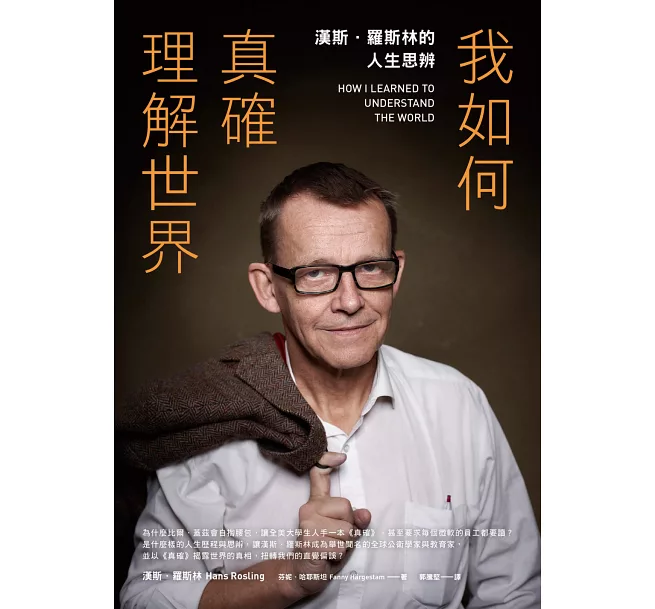
作者Hans Rosling的前一個有名的著作《真確》是一本充滿統計實證、顛覆認知的書,現在這本書並不是前一本書的續集,而是描述作者這輩子經歷過的各種精彩故事,直到他人生第二次罹癌,在2017年從人生畢業。
我一直是喜歡買二手書,因為可以買到無畫線註記、保存相當良好、但價格更為低廉的書。我不記得上次讀自傳是什麼時候的事,就在一週前我買書的當下發現,這本自傳當時只有全新書,我感到相當的猶豫,最後證明這本書買得很值得、也強烈建議要讀過,閱讀他的人生故事感動到我眼淚潰堤了好幾次😭
以下內容有劇透,如果想要保有驚喜感就不要看下去,趕快找書去看吧!
閱讀心得:
- 作者是瑞典人,1940年代出生,他的家族在早期生活並不好過,父親是工人,母親來自社會底層。即便如此,他的父母卻從小就教導他世界觀,而不是學校。
- 他知道自己就如同其他人,會不自覺的表現出西方人的自我優越感。在1970年代大家認為印度是貧窮落後的,然而他在印度擔任醫學生的期間卻發現,同齡印度學生的知識量是遠遠勝過他的,讓他感到錯愕。比起其他人,他會對自我優越感到內疚,也更願意親力親為、試圖打破刻板印象並影響他人。即使是現在的台灣也是充滿刻板印象:大部分在非洲、南美洲甚至東南亞國家或城市的人生活較困苦,有的注定淪為勞力輸出國,但我們因此就懂得比較多、高人一等嗎?我想不是這樣的,更何況我也即將輸出勞力到其他國家了😁。
- 不到30歲他第一次罹癌,但結束化療後卻仍然堅持要到莫三比克行醫而不是在家陪孩子,讀得當下覺得怎麼有人這麼傻、為什麼要這麼認真的活出生命😭。
- 作為一個身處赤貧國家的醫生,他學到如何管理下屬建立紀律:保持安靜,提出問題,讓大家表達意見,聆聽真正的看法和擔憂,表現像在深思熟慮,說明大家往後該怎麼做。在他人面前永遠保持冷靜,不要和人吵架,不要在會議中表達不滿(這點我有親身接觸到反例的強烈感受...😖)。
- 「能讓你恍然頓悟的通常是偶然、不經意的觀察,而不是思考過程本身。」這句話我也是很有感觸,曾經有人要我想出解決辦法,卻不允許進行他認為無意義的實驗,這種事我一輩子都會記住。
- 赤貧國家的醫療資源非常有限,無法提供最優質的醫療服務,只能盡可能做最多事來讓更多人活下來...。當你有100倍的醫師工作量時,你該以100倍的速度為每個患者看診,還是在100名患者中挑出1人?無論哪個選擇都讓人痛心和不可置信。
- 擔任過醫生、研究員、教授,走訪莫三比克、剛果、古巴、賴比瑞亞,登上TED,參與國際組織如WHO、UN的會議,成為全球公共衛生的專家,這樣的人生實在太精采。
- 「窮人不避孕造成人口暴增。」「人類就是破壞環境的元兇!」「但統計數據顯示世界上的避孕率正在上升,貧窮國家的孩童死亡率並沒有低到讓他們接受避孕措施!」「人類生活得夠好才能夠協助保護瀕臨絕跡的物種跟環境,應該以人類為出發點。」作者與他學生的對話讓我覺得驚心動魄,因為我也能曾經像學生們那樣想著,卻沒意識到自己其實被意識形態操弄,而忽略了查證真確。
- 2014年非洲爆發伊波拉病毒,造成有人在街頭暴斃死亡,每一名患者可傳播病毒給另外兩人,而新病例數每三個禮拜就增加一倍,2015年初,每星期的新病例數首次控制在100例以下,一直到2019年底世界上才正式啟用首支疫苗。作者前往賴比瑞亞進行伊波拉病毒的防治,野戰醫院、防護衣、用氯水洗手、鞋子要踏過裝有氯水的浴盆才能進入屋內、列出染疫者足跡、隔離,這些他在2014年所見所聞,沒想到在2020年Covid-19全世界大流行後,通通出現在我們每個人的生活中,讓人不禁唏噓。
- 有個故事特別帶來省思,一個女人感染伊波拉死亡,她的家人承諾要將她埋葬在已故丈夫的旁邊,儘管努力保持謹慎但最後仍舊多人染疫。這個舉動看似很愚蠢,但對家人和對政府機關的承諾何者重要?從個人的角度來看的確不難選擇,也因此防疫措施仍要保留一點人性。
---
The previous publication of the author was FACTFULNESS, which is a book full of scientific and mind-blowing facts. But this book is not the following work of the previous book. On the contrary, this book describes all the spectacular stories happening to Hans Rosling, until second cancer has taken him away from this world in 2017.
I've always liked the idea of buying second-hand books. You can find books not only well-preserved and even without written marks, but also well-priced. I don't really remember when was the last time I read an autobiography. A week ago, I hesitated about buying a brand new book, which later turns out to be one of the best decisions I made in my life. I highly recommend this book, and I burst into tears several times by reading his deeply moving life stories.
Spoilers below. If you'd like to keep surprised while reading the book, you should stop reading what you're watching and go fetch a book!
My thoughts:
- Being a Swedish born in the 1940s, his family had a hard time in early life. His father was a blue-collar worker and his mother was from the bottom of the society. Even so, he obtained his global perspective from his parents, not from school.
- He knew that he showed a sense of self-superiority unintentionally at times, just like the other westerners (his opinion). In the 1970s, most people thought India was poor and underdeveloped. When he studied as a medical student there, he felt absolutely astonished that Indian students at the same age were far more knowledgeable than he was. He felt ashamed of his self-superiority, which turned into the power of him getting himself involved in every task, breaking the barrier of the stereotype, and influencing others. I have to say, even at the current time in Taiwan, people still have the stereotype that most people in the countries or cities of Africa, South America, and Southeast Asia are poor and that some of the countries are meant to be the supplier of the labor force. But did that make us more intelligent or superior? Don't be ridiculous! And hey, I'm going to be the labor force exporting to another country anyway.
- He was diagnosed with cancer for the first time at the age of less than 30, but he still managed to leave for Mozambique to offer medical service rather than stay home for kids. I'm touched by his silly decision and wonder why would someone try so hard to live life to its fullest...😭
- As a doctor in an impoverished country, he had to learn to lead a team and build discipline: remain quiet, bring up questions, let people express opinions, listen to their hearts and worries, act like thinking over the opinions, and tell everyone what they should do. Always stay calm and don't fight in front of others. Don't express dissatisfaction at someone in a meeting (which I encountered a negative example in the past and had a strong feeling about it...😖).
- "What hits you suddenly is usually an accidental, unintended observation, not thinking itself." I have mixed feelings about what he said. Someone used to urge me to come up with a solution, but doing the experiments that he considered to be meaningless were not allowed. This is something I'll never forget.
- The medical resources in impoverished countries are limited. There's no way the medical personnel can provide top service to everyone. What they can do is to take care of people as much as possible... Imagine you have 100 times the workload of a doctor. Are you supposed to give medical advice 100 times faster? Or you should pick a patient among 100 patients to provide medical advice? Whichever choice is heartbreaking and unbelievable.
- Had been a doctor, a researcher, a professor, had visited Mozambique, Congo, Cuba, Liberia, had attended meetings held by global organizations such as TED and UN, he became an expert in global public health. What a remarkable life!
- "It is the poor not taking measures to avoid pregnancy that causes global population surges.""It is mankind who is guilty of the damage of the ecology!""But the statistical data shows that the contraception rate has been rising, and the child mortality rate isn't low enough for the poor to prevent conception!""Human's life quality should be taken as a starting point so people are willing to protect endangered species and the ecology."This conversation between Hans Rosling and his students horrifies me because I used to think like the students. I didn't realize that I might have been manipulated by some sort of ideology and have overlooked the factfulness.
- The Ebola virus erupted in African in 2014. People died suddenly on the street. The virus could be transmitted from each confirmed patient to another 2 people. Daily new cases doubled every 3 weeks. At the beginning of 2015, weekly new cases were first controlled under 100 cases. It wasn't until 2019 that the first approved vaccine was put to use. The author left for Liberia for the control of Ebola. Building field hospitals, wearing protective clothing, washing hands with chlorine water, stepping in a washbowl filled with chlorine water before entering a building, listing the footprints of the confirmed cases, getting people isolated. These were what he saw and did back in 2014. Unfortunately, these are what we did or what we have been doing in the past 1~2 years of the Covid-19 pandemic. But this time, it happens everywhere in the world. How ironic!
- A thought-provoking story: A woman died of Ebola and her family promised to bury her next to her husband. Multiple people were infected even though they had tried every method to be cautious. What they did seem to be foolish, but how do you choose between the commitment to family and the one to the government? Personally, it's not hard to choose at all. Taking measures against the pandemic shall not ignore human nature.


0 留言